
Avoid costly delays by asking these questions before construction begins.
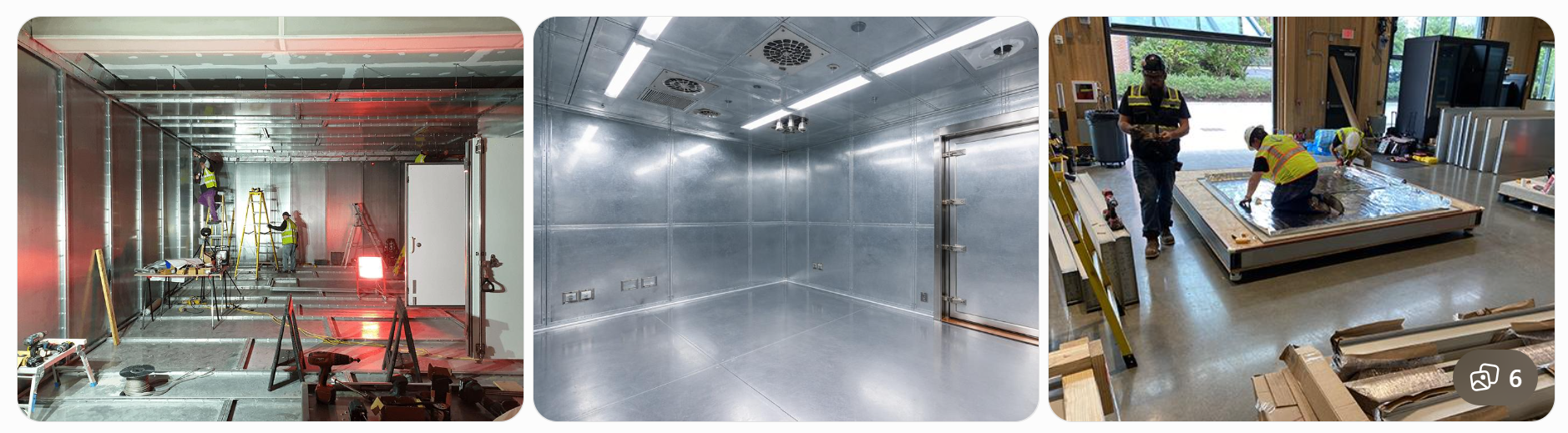
Every successful SCIF begins with careful planning.
Constructing a Sensitive Compartmented Information Facility (SCIF) is unlike building a conventional commercial space. Every component—from the flooring and walls to the ceiling and secure door assemblies—contributes to a single secure envelope that must perform as an integrated system.
While every project has its own unique requirements, many of the delays encountered during construction stem from coordination challenges rather than the materials themselves. By asking the right questions before construction begins, project teams can improve efficiency, reduce rework, and help keep projects moving toward successful accreditation.
Here are five practical questions every general contractor, architect, and owner should ask before work begins.
- Who Is Responsible for Coordinating the Entire Secure Envelope?
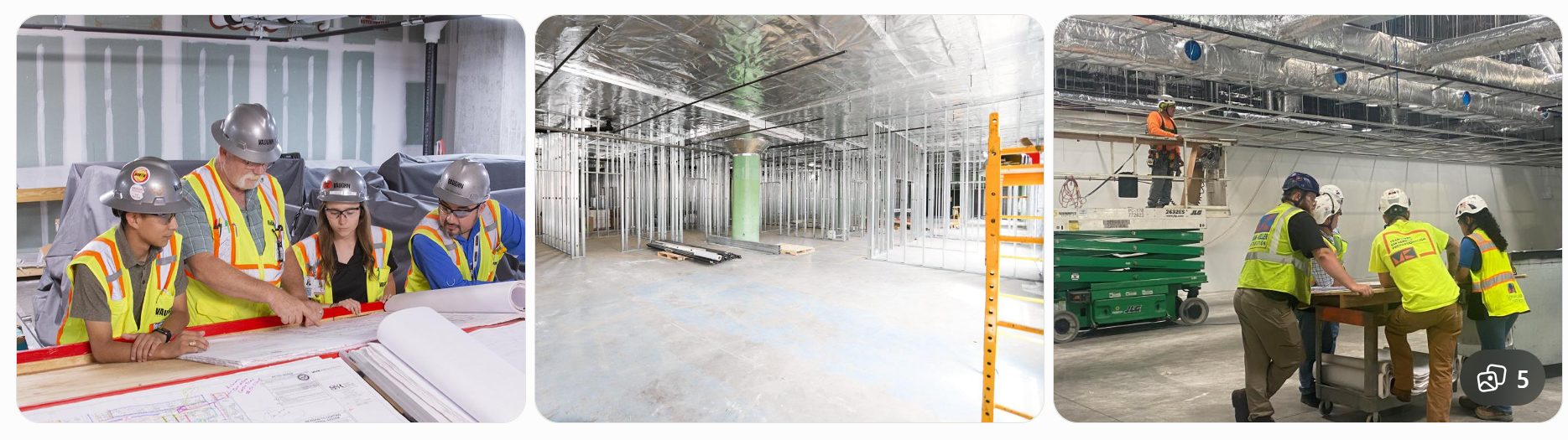
Many projects divide flooring, walls, ceilings, and doors into separate trade packages. While this approach works well on traditional commercial projects, SCIF construction requires these individual systems to function together as one continuous secure envelope.
Early coordination between architects, security consultants, general contractors, and specialty installers helps identify potential conflicts before crews arrive on site.
Questions worth discussing include:
- Are all trades working from the latest construction documents?
- Have installation responsibilities been clearly defined?
- Has the construction sequence been coordinated between all specialty contractors?
Resolving these questions early often prevents costly adjustments later in the project.
- Has the Installation Sequence Been Fully Planned?
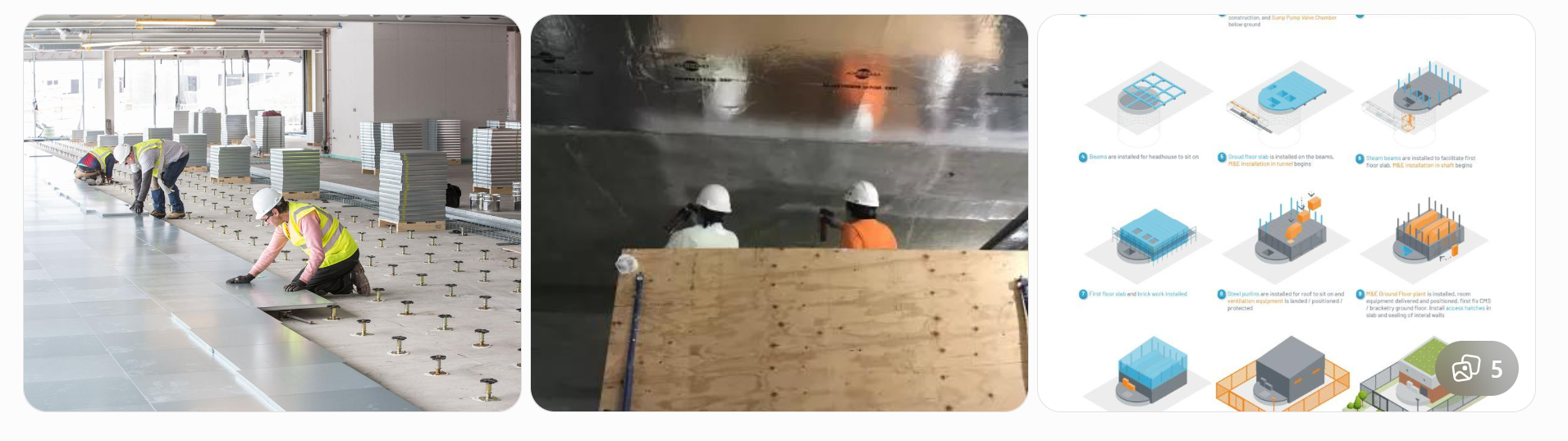
Even experienced construction teams can encounter delays when installation activities are not properly sequenced.
A successful SCIF installation requires careful coordination between framing, flooring, ceiling systems, secure door assemblies, and other building trades. If one activity falls behind, the impact can extend across multiple phases of construction.
Developing a detailed installation schedule before work begins helps improve workflow and minimizes unnecessary rework.
Planning ahead also provides flexibility when unforeseen site conditions arise.
- Are All Building Trades Coordinating Their Work?
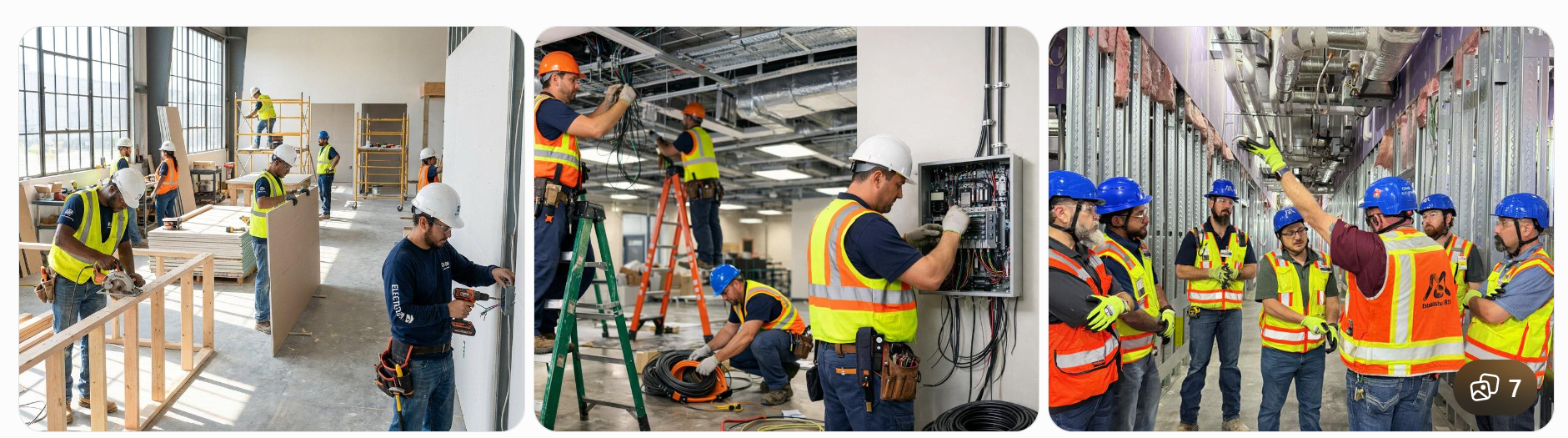
Every contractor working inside a SCIF contributes to the final performance of the completed facility.
Mechanical, electrical, fire protection, low-voltage, drywall, painting, flooring, and door installation teams all share responsibility for maintaining the integrity of the finished space.
Weekly coordination meetings and regular site walks help identify issues before they become expensive schedule impacts.
Strong communication between trades remains one of the most effective tools for maintaining project momentum.
- Are Secure Door Installations Being Given the Attention They Require?
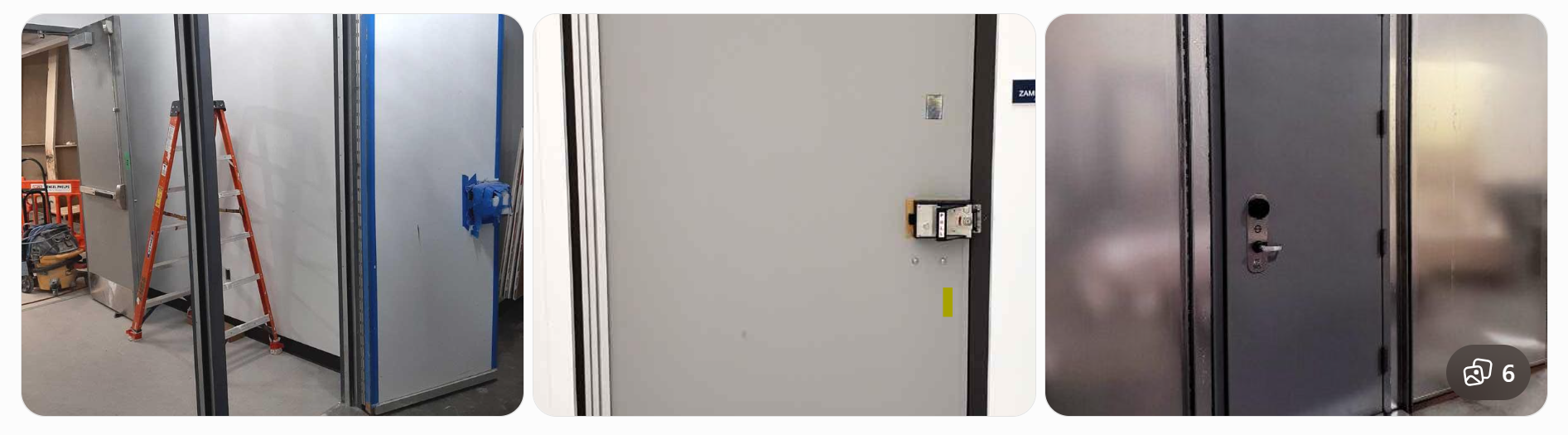
Secure doors are among the most specialized components of any SCIF project.
Proper installation depends on accurate wall openings, finished floor elevations, hardware coordination, and careful attention to detail throughout construction.
Because door installations typically involve multiple trades, early planning reduces the likelihood of adjustments during the final stages of the project.
Taking the time to install these assemblies correctly helps support long-term performance while avoiding unnecessary punch-list items.
- Is Quality Being Verified Throughout Construction?
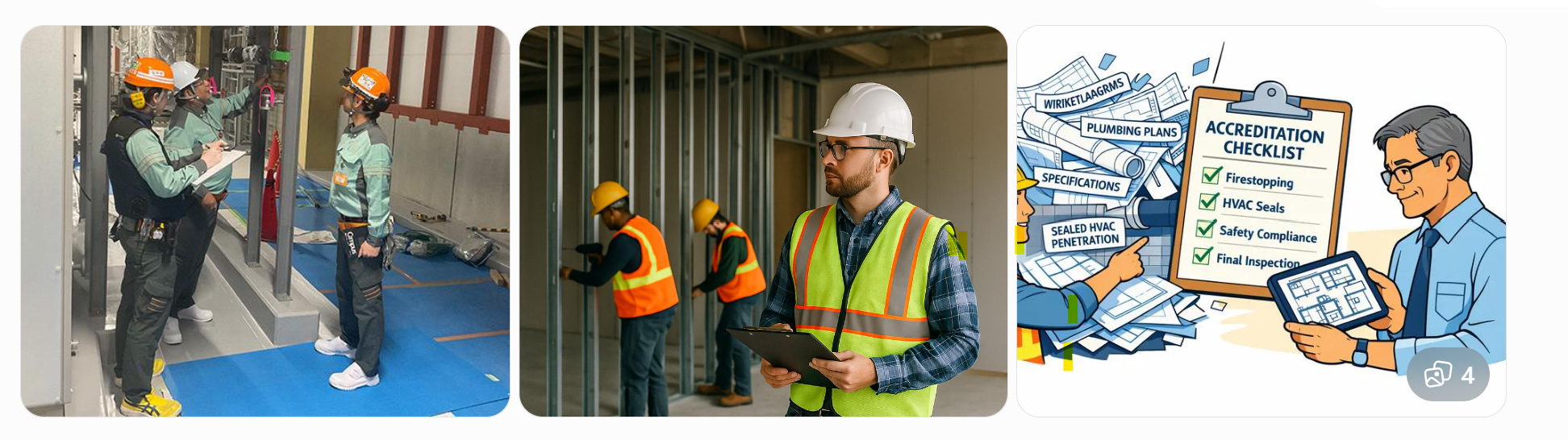
Quality control should be an ongoing process—not something performed only at project completion.
Routine inspections throughout construction allow project teams to identify concerns early, document completed work, and maintain consistent installation quality across every phase of the project.
Maintaining thorough documentation also supports project closeout and provides confidence that work has been completed in accordance with project requirements.
Small corrections made early are significantly easier—and less expensive—than major repairs near project completion.
The Surface Solutions Difference
Surface Solutions specializes in the installation of secure facility components that form the complete SCIF envelope, including:
- SCIF flooring systems
- SCIF wall systems
- SCIF ceiling systems
- Secure door installation
Our teams work alongside architects, owners, security consultants, and general contractors to support efficient project coordination, quality workmanship, and dependable installation from pre-construction through project completion.
Final Thoughts
Building a successful SCIF requires more than quality materials—it requires planning, communication, and precise execution from every member of the project team.
By asking these five questions early in the project, owners, architects, and contractors can reduce risk, improve coordination, and help deliver secure facilities more efficiently.
At Surface Solutions, we understand that every installation contributes to the performance of the complete secure environment. Our commitment is to provide professional installation services that support successful project outcomes from the ground up.