
Introduction: SCIF Design Is Entering a New Era
Secure facilities are no longer just about compliance and containment—they are becoming high-performance, technology-integrated environments. As security threats evolve and federal requirements tighten, SCIF (Sensitive Compartmented Information Facility) construction is shifting toward smarter materials, faster deployment methods, and deeper integration with digital monitoring systems.
Organizations working in defense, intelligence, aerospace, and critical infrastructure are now prioritizing speed, resilience, and adaptive security architecture—not just traditional ICD 705 compliance.
-
1. Modular SCIF Construction Is Becoming the New Standard
Traditional SCIF builds were heavily site-dependent, slow, and labor-intensive. In 2026, modularization is changing that entirely.
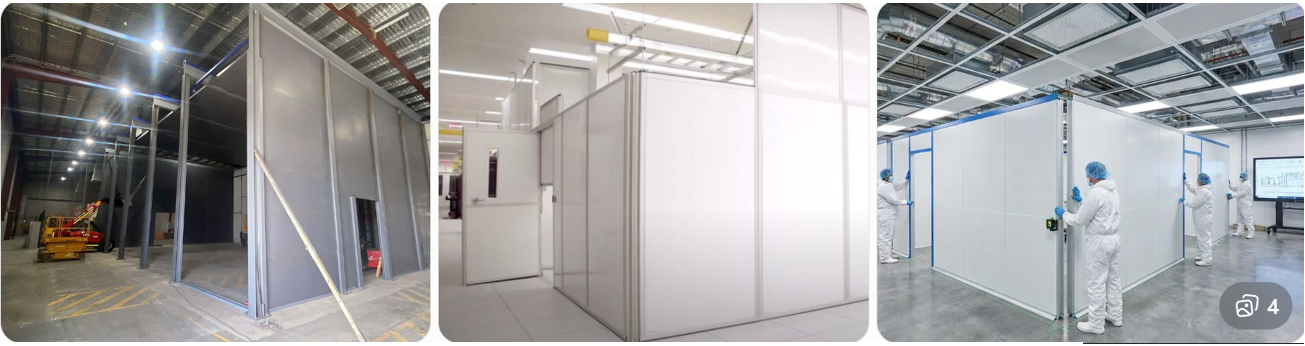
Key Shifts:
- Pre-engineered SCIF wall systems reducing build time by 30–50%
- Factory-controlled RF shielding integration
- Faster accreditation cycles due to standardized components
- Reduced on-site inspection delays
Why it matters:
Agencies are under pressure to deploy secure environments rapidly for cyber, intelligence, and defense operations, making modular SCIFs a strategic advantage.
-
2. RF Shielding Is Moving from Passive to Active Systems
RF shielding is no longer just a material layer—it is evolving into a dynamic protection system.
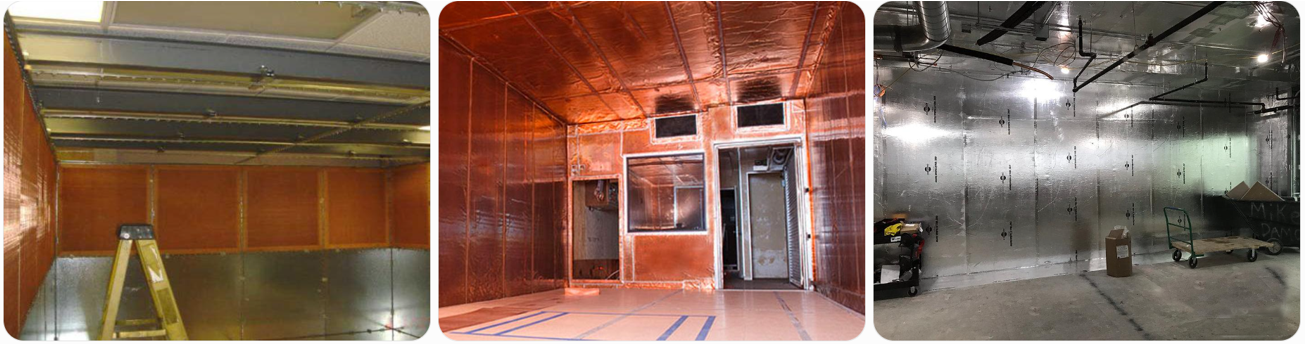
Emerging Trends:
- Hybrid shielding (metal + conductive coatings)
- Smart RF monitoring sensors embedded in walls
- Real-time EMI leakage detection systems
- Adaptive shielding zones for classified networks
Impact:
Facilities are transitioning from static compliance models to continuous security validation environments.
-
3. AI-Driven Security Compliance Monitoring
One of the most transformative developments in SCIF environments is the integration of AI-based compliance tracking.
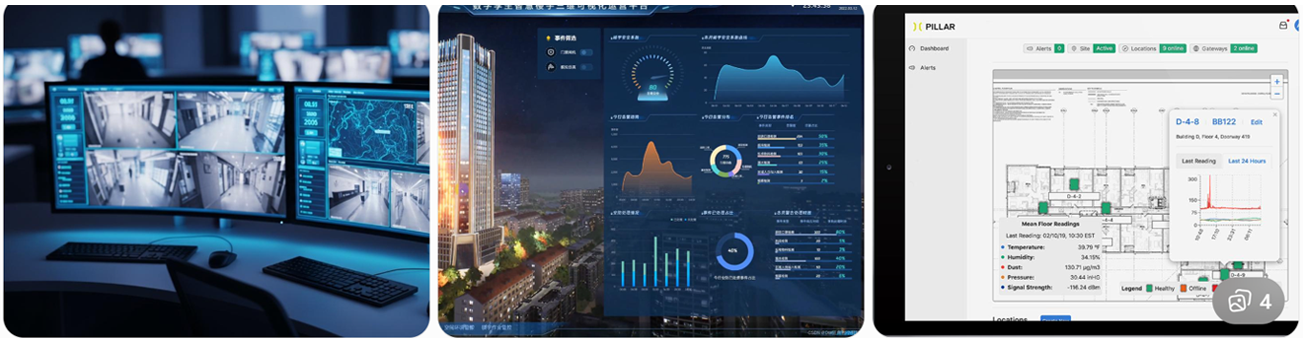
What’s changing:
- Automated ICD 705 compliance tracking
- Digital twins of secure environments
- Sensor-driven environmental validation (humidity, pressure, airflow)
- Predictive failure detection for barriers and seals
Why it matters:
Instead of waiting for inspections, SCIFs are becoming self-validating environments.
-
4. High-Performance Flooring & Surface Systems for SCIF Integrity
Flooring is now recognized as a critical security component, not just a finishing layer.
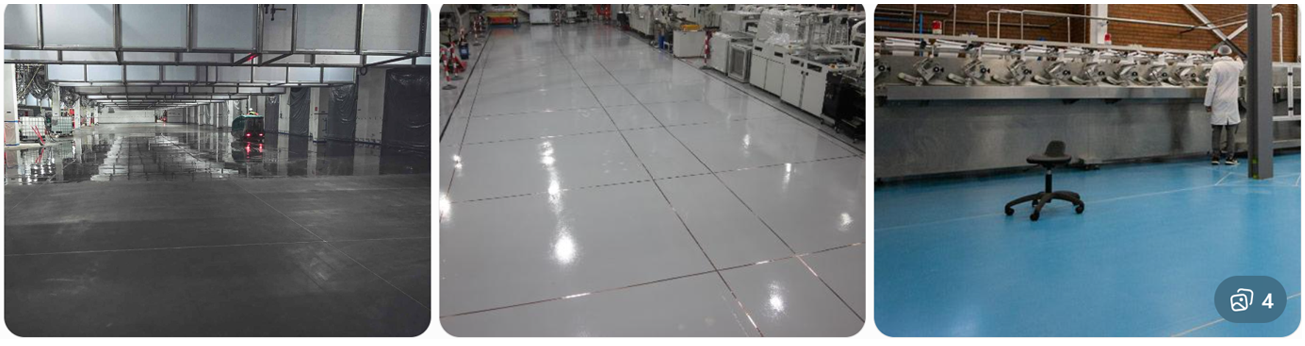
Innovations:
- Conductive epoxy flooring for static control
- Seamless vapor-barrier integrated surfaces
- Crack-resistant self-leveling compounds
- Moisture mitigation systems embedded into slabs
Strategic importance:
Floor systems now directly support:
- RF shielding continuity
- Air-tightness
- Structural compliance under ICD 705
-
5. Sustainability Is Now Part of SCIF Compliance Strategy
Green building practices are entering secure facility design—without compromising security.
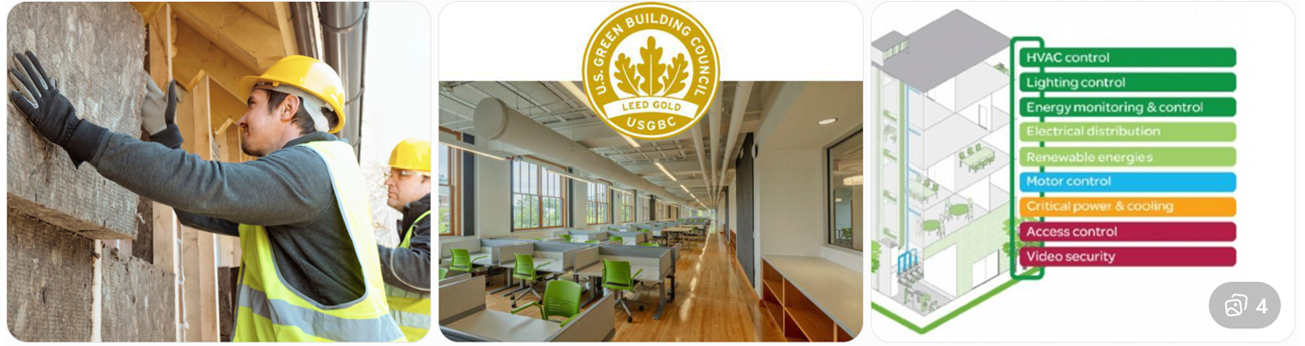
Key trends:
- Low-VOC certified SCIF materials
- Energy-efficient HVAC zoning for secure rooms
- Recyclable metal shielding systems
- LEED-aligned secure infrastructure design
Outcome:
SCIFs are becoming both secure and environmentally responsible, aligning with ESG mandates in government contracting.
-
6. Faster Accreditation Through Pre-Validated Construction Systems
ICD 705 compliance is still central—but the pathway to approval is changing.
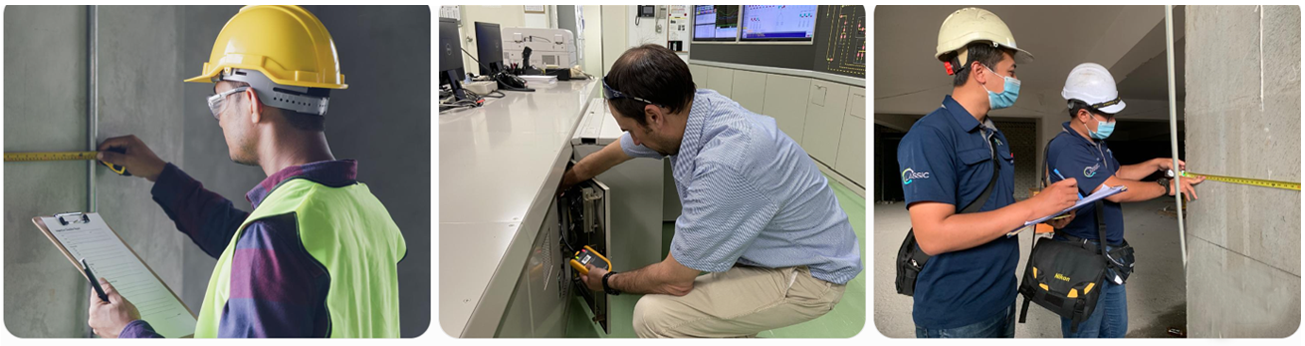
New direction:
- Pre-certified wall and ceiling assemblies
- Digital compliance documentation packages
- Factory-tested RF and structural performance reports
- Reduced dependency on on-site correction cycles
Benefit:
Projects are achieving faster accreditation timelines and fewer redesign cycles.
Conclusion: SCIFs Are Becoming Smart Security Ecosystems
The next generation of SCIF construction is defined by:
- Modular speed
- Intelligent monitoring
- Advanced RF protection
- Integrated sustainability
- Digital compliance systems
Organizations that adapt early will gain a major advantage in deployment speed, operational security, and lifecycle cost efficiency.
The future SCIF is no longer just built—it is engineered, monitored, and continuously validated.
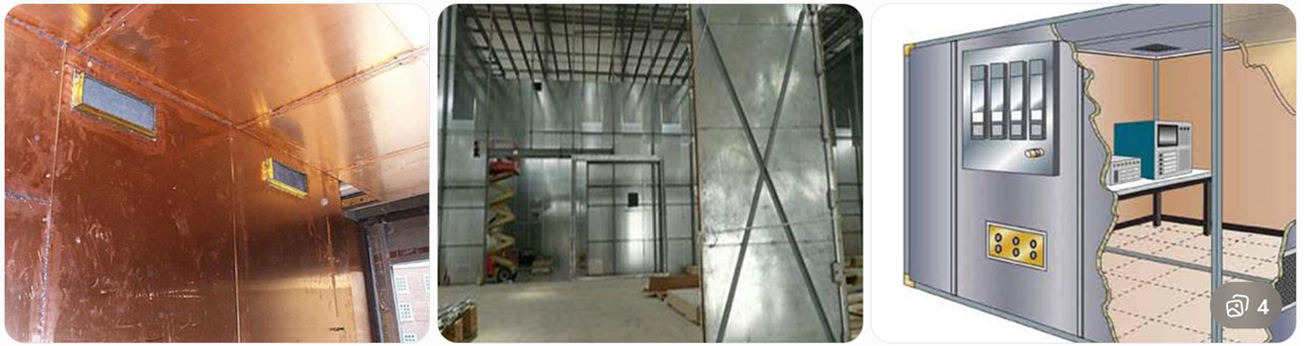
When it comes to SCIF and mission-critical environments, experience matters.
Surface Solutions specializes in the installation of flooring, wall, and ceiling systems that support secure facilities throughout the United States. Our team understands the unique requirements of SCIF environments and works closely with architects, general contractors, government agencies, and facility owners to deliver quality installations with professionalism and precision.
Surface Solutions Services
- SCIF Flooring Systems
- Secure Wall Systems
- Mission-Critical Ceiling Installations
- High-Performance Surface Preparation
- Nationwide Installation Services
- Government and Defense Facility Support
Contact Surface Solutions
🌐 Website: www.surfacesolutions-us.com
📞 Contact our team to discuss your upcoming SCIF, secure facility, or mission-critical construction project.